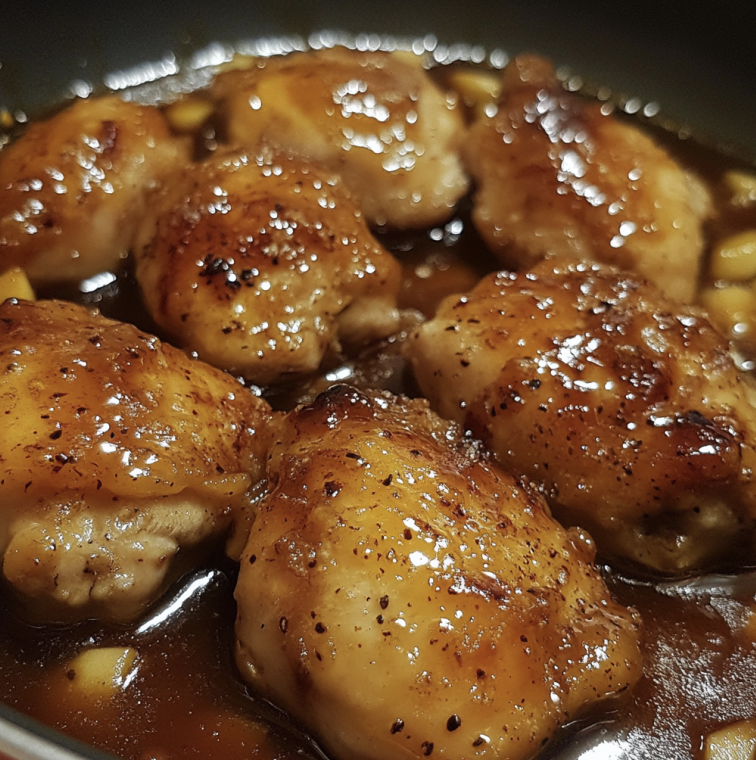
These Apple Cider Glazed Chicken Thighs are sweet, savory, and full of cozy flavor, making them perfect for fall dinners, holiday tables, or any night when you want something warm and comforting. The chicken turns juicy and tender while the apple cider glaze cooks down into a rich, glossy sauce with just the right balance of sweetness, tang, and savory depth.
What makes this recipe so worth trying is how it transforms simple ingredients into a dish that feels special. Apple cider gives the chicken a gentle fruity sweetness, while garlic, mustard, and herbs keep the glaze balanced and flavorful. If you want a chicken dinner that feels rustic, elegant, and deeply comforting without being difficult to make, this one is a great choice.
Why You’ll Love This Recipe
- Rich sweet-savory glaze
- Tender, juicy chicken thighs
- Perfect for fall and holiday meals
- Easy enough for weeknights
- Great with potatoes, rice, or vegetables
- Made with simple ingredients
- Feels cozy and a little special
- Beautiful golden finish
Ingredients You’ll Need
- 6 chicken thighs, bone-in or boneless
- 1 tablespoon olive oil
- Salt, to taste
- Black pepper, to taste
- 1/2 teaspoon garlic powder
- 1/2 teaspoon onion powder
- 1/2 teaspoon paprika
- 1 cup apple cider
- 2 tablespoons honey or brown sugar
- 1 tablespoon Dijon mustard
- 2 cloves garlic, minced
- 1 tablespoon butter
- 1 teaspoon apple cider vinegar
- 1/2 teaspoon dried thyme
- 1/2 teaspoon dried rosemary
- 1 teaspoon cornstarch mixed with 1 tablespoon water, optional for thickening
Optional add-ins
- Fresh thyme
- Fresh rosemary
- Apple slices
- Red onion wedges
- Crushed red pepper flakes
- Extra butter for finishing
- Chopped parsley
Ingredient Notes
Chicken thighs are an excellent choice here because they stay moist and flavorful while roasting or simmering in the glaze. Bone-in thighs give a little more richness and often look more impressive on the plate, while boneless thighs cook a bit faster and are easy to serve.
Apple cider is the key ingredient, so use fresh, flavorful cider if possible. It brings sweetness and depth that regular apple juice does not always have. Dijon mustard helps cut the sweetness and gives the glaze a little sharpness, while garlic and herbs build the savory side of the dish. A small amount of honey or brown sugar rounds everything out and helps create that glossy finish.
How to Make
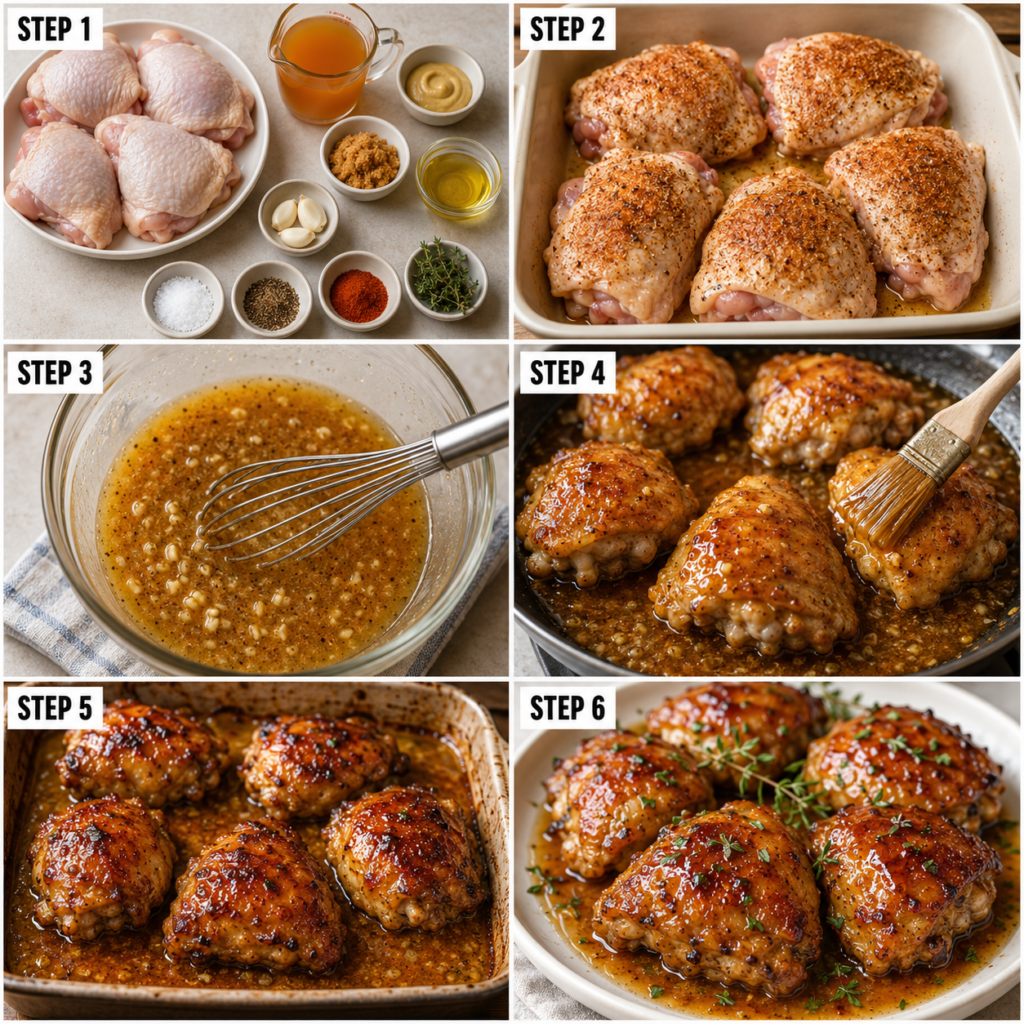
1. Prepare the chicken
Pat the chicken thighs dry with paper towels. This helps them brown better and keeps the skin or surface from steaming.
Season both sides with salt, black pepper, garlic powder, onion powder, and paprika. Let the chicken sit for a few minutes while you gather the glaze ingredients.
2. Make the glaze base
In a bowl or measuring cup, stir together the apple cider, honey or brown sugar, Dijon mustard, minced garlic, apple cider vinegar, thyme, and rosemary.
Mix until everything is well combined. The glaze will look thin at this point, which is normal. It thickens later as it cooks down.
3. Brown the chicken
Heat the olive oil in a large oven-safe skillet over medium-high heat. Place the chicken thighs in the skillet and sear them until they are deeply golden on one side, then flip and brown the other side lightly.
This step adds a lot of flavor and helps the chicken look more finished and appealing. Do not worry about cooking it all the way through yet.
4. Add the glaze
Lower the heat slightly and pour the apple cider mixture into the skillet around the chicken. Add the butter and let it melt into the sauce.
As the liquid hits the hot pan, it will start bubbling right away and begin picking up all the flavorful browned bits from the bottom of the skillet.
5. Finish cooking the chicken
If using an oven-safe skillet, transfer the pan to a 400°F oven and bake until the chicken is cooked through and tender, usually about 20 to 30 minutes depending on the size and whether the thighs are bone-in or boneless.
If you prefer to stay on the stovetop, cover loosely and simmer gently over low to medium-low heat until the chicken is fully cooked.
6. Reduce the glaze
Once the chicken is done, remove it temporarily from the skillet if you want a thicker glaze. Simmer the sauce for a few more minutes until it reduces and becomes glossy.
If you want it even thicker, stir in the cornstarch slurry and cook for another minute or two until the sauce coats the spoon.
7. Return and coat the chicken
Place the chicken back into the skillet and spoon the glaze over the top several times so each piece is coated beautifully.
This last step helps the chicken soak up more flavor and gives it that shiny glazed finish.
8. Rest and serve
Let the chicken rest for a few minutes before serving. Spoon extra glaze over the top and finish with fresh herbs if desired.
Tips for Best Results
Use apple cider, not apple cider vinegar, as the main liquid. They are very different ingredients, and the cider is what gives the glaze its mellow fruity sweetness.
Pat the chicken dry before seasoning and browning. This helps it develop better color and keeps the outside from turning pale or soft.
Do not rush the browning step. A good golden sear builds flavor and improves the final look of the dish.
Let the sauce reduce enough before serving. A thinner sauce still tastes good, but a slightly reduced glaze clings to the chicken much better and gives a more polished finish.
Taste the glaze before the final serving step if possible. Depending on your cider, you may want a touch more mustard, salt, or vinegar to balance the sweetness.
If you are adding apples or onions, do it during the baking or simmering stage so they soften and absorb the glaze without falling apart too much.
For the richest finish, add a small extra piece of butter right at the end and swirl it into the reduced glaze. This gives the sauce extra shine and smoothness.
Variations / Substitutions
You can easily adapt these Apple Cider Glazed Chicken Thighs depending on the flavor you want.
Use chicken breasts instead of thighs if you prefer white meat, though you will want to watch the cooking time more carefully so they do not dry out.
Add apple slices to the skillet for a stronger apple flavor and a beautiful fall-style presentation.
Use maple syrup instead of honey for an even warmer autumn flavor.
Add onion wedges or shallots for more savory depth.
Use fresh sage instead of thyme or rosemary if you want a more holiday-style flavor.
Add a pinch of red pepper flakes if you want a little contrast to the sweetness.
If you want the dish to feel more rustic, roast the chicken over a bed of potatoes, onions, and apples so the glaze flavors everything at once.
What to Serve With It
These chicken thighs go especially well with comforting sides that soak up the glaze.
Great options include:
- Mashed potatoes
- Roasted potatoes
- Wild rice
- White rice
- Buttered noodles
- Roasted carrots
- Green beans
- Brussels sprouts
- Simple salad
- Dinner rolls
For a cozy fall-style dinner, mashed potatoes and roasted green vegetables are especially good. For something lighter, rice and a crisp salad work very well too.
Storage and Reheating
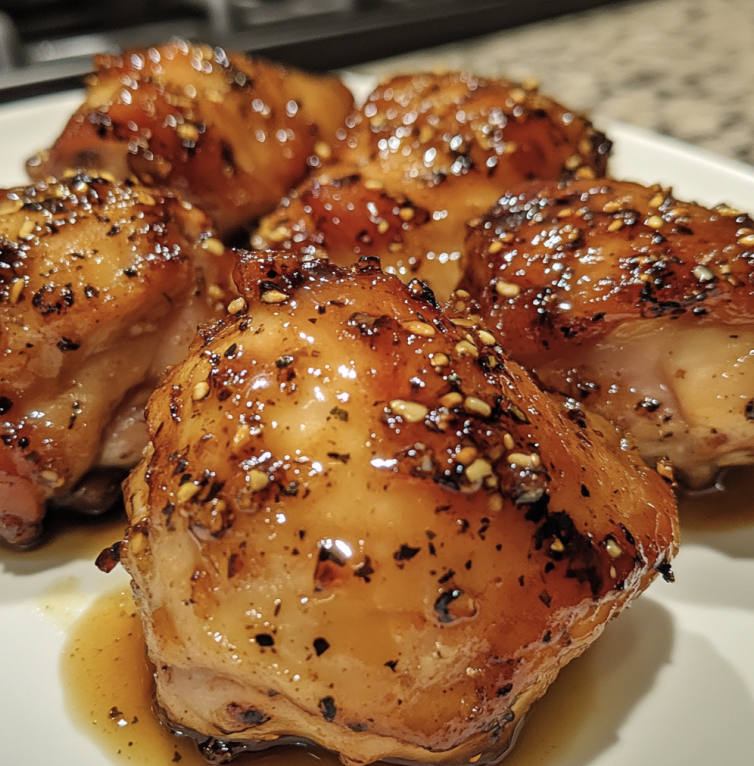
Store leftover Apple Cider Glazed Chicken Thighs in an airtight container in the refrigerator for up to 4 days.
To reheat, warm them gently in a covered skillet with a spoonful of water or extra cider, or reheat in the microwave until hot. Spoon the glaze over the chicken again before serving so it stays moist and flavorful.
This dish can also be frozen for up to 2 months. Let it thaw in the refrigerator overnight before reheating.
If the glaze thickens too much in storage, loosen it with a splash of broth, water, or cider when reheating.
Common Mistakes to Avoid
One common mistake is confusing apple cider with apple cider vinegar. The recipe uses apple cider as the main cooking liquid and only a tiny amount of vinegar for balance.
Another mistake is skipping the browning step. The chicken will still cook, but you lose a lot of flavor and the finished dish will not have the same rich color.
Using too much sweetener can also throw off the balance. Apple cider already has sweetness, so it is better to start modestly and adjust if needed.
Do not overcook the chicken, especially if using boneless thighs. The glaze reduces quickly and the chicken can go from juicy to a little too firm if left too long.
Finally, avoid serving the sauce before it has had time to reduce at least a little. A slightly thicker glaze gives the dish a much better finish.
FAQ
What is the difference between apple cider and apple juice in this recipe?
Apple cider usually has a deeper, fresher, more robust apple flavor than standard apple juice. That makes the glaze taste richer and more autumn-like.
Can I use boneless chicken thighs?
Yes, boneless thighs work very well and usually cook faster than bone-in thighs.
Can I make Apple Cider Glazed Chicken Thighs ahead of time?
Yes. This recipe reheats well, and the flavor can even deepen a bit after sitting.
Is the glaze very sweet?
It is sweet-savory, not dessert-sweet. The mustard, garlic, herbs, and vinegar balance the cider and honey well.
Can I add apples to the pan?
Yes, sliced apples are a great addition and make the dish feel even more seasonal.
What herbs work best?
Thyme, rosemary, and sage all pair beautifully with apple cider and chicken.
How do I know when the chicken is done?
The chicken should reach 165°F internally and the juices should run clear.
Can I make the glaze thicker?
Yes. Simmer it longer to reduce naturally, or use the optional cornstarch slurry for a faster thickening method.
Conclusion
These Apple Cider Glazed Chicken Thighs are warm, flavorful, and deeply comforting in the best way. The chicken stays tender and juicy, while the cider glaze becomes glossy, sweet-savory, and full of cozy flavor that feels perfect for cooler weather and comforting dinners.
It is the kind of recipe that feels rustic and inviting without being complicated. If you want a chicken dinner that is easy enough for a weeknight but special enough to serve to guests, this one is absolutely worth keeping in your rotation.